

Building a list of world records to break for a luxury brand is not about collecting outrageous ideas. It is about selecting one measurable moment that feels inevitable for the brand, credible to the media and unforgettable for guests. For event agencies, hotel groups, sponsors and private hosts, the strongest record concepts turn ambition into a visual story that can be photographed, verified and remembered.
The right record can become the centerpiece of a launch, gala, hospitality program, wedding weekend or anniversary celebration. The wrong one can feel gimmicky, difficult to explain or disconnected from the audience in the room. A premium shortlist needs discipline from the first brainstorm.
Why your list of world records to break should start with strategy
Luxury audiences do not respond to scale alone. They respond to intention, craft and atmosphere. A record attempt can involve thousands of objects, a long build time or a dramatic final reveal, but it still needs to express something meaningful about the host brand.
For a hotel opening, that meaning might be welcome, hospitality and architectural elegance. For an F1 hospitality event, it might be precision, timing and adrenaline. For a luxury wedding, it might be abundance, romance and a moment every guest can gather around.
A list of world records to break should therefore be built like a brand asset, not a novelty file. Every idea needs to pass a simple test: would this record make the brand feel more desirable, more memorable and more worthy of attention?
Define the brand outcome before choosing the record
Before anyone debates the record itself, define the business or reputation outcome. Premium events usually need more than applause in the room. They need social sharing, sponsor value, press potential, VIP memorability or a powerful internal message.
Start by choosing one primary outcome. If the goal is media attention, the record needs a simple headline and a strong visual proof point. If the goal is guest experience, the record needs elegance, proximity and a moment people can witness clearly. If the goal is sponsor value, the record needs natural branding opportunities without turning the event into a logo wall.
This is where the first version of your list of world records to break becomes strategic. Instead of ranking ideas by size, rank them by how well they serve the event objective. A smaller, beautifully executed record can create more value than a larger attempt that feels unrelated to the brand.
Apply a premium filter to every record idea
A world record can be funny, strange, athletic, technical, culinary, architectural or purely visual. Not all of those categories belong in a luxury environment. When building a list of world records to break for brand impact, use a filter that protects the tone of the event.
| Filter | What to ask | Why it matters |
|---|---|---|
| Brand fit | Does the concept express the brand's values, product world or occasion? | Keeps the record from feeling random |
| Visual impact | Can the achievement be understood in one image or short video? | Supports press, social media and guest memory |
| Venue compatibility | Can it be built safely within the space, schedule and technical limits? | Reduces production risk |
| Verification clarity | Can the result be measured, documented and witnessed properly? | Protects credibility |
| Guest experience | Does it add beauty, anticipation or participation to the event? | Makes the moment feel premium, not just operational |
This filter is especially useful for agencies handling VIP guests or demanding stakeholders. It gives the creative team a clear reason to remove ideas that might generate curiosity but not prestige.
Build a disciplined longlist without losing creativity
The longlist stage should still feel expansive. At this point, the list of world records to break can include bold ideas, category extensions and concepts inspired by the venue, destination, product launch or celebration theme.
Use structured prompts rather than open-ended brainstorming. Ask what the brand can make taller, faster, larger, more precise, more synchronized or more elegant than anyone else. Then separate ideas by the type of experience they create.
Useful categories include:
- Architectural records such as towers, structures, installations and sculptural builds
- Hospitality records connected to champagne, culinary service, luxury dining or guest welcome moments
- Performance records involving timed choreography, synchronized movement or live spectacle
- Participation records where guests, employees or partners contribute to a shared achievement
- Collection records based on rare objects, branded items or meaningful quantities tied to the occasion
The aim is not to keep every idea. It is to create enough range that the final shortlist does not feel forced.
Narrow the shortlist with production reality
Premium event teams often reject record concepts late because of practical constraints. That is costly. A stronger process brings production reality into the shortlist early, before stakeholders fall in love with an idea that the venue cannot support.
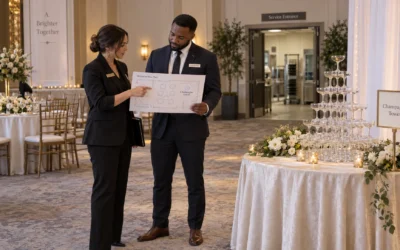
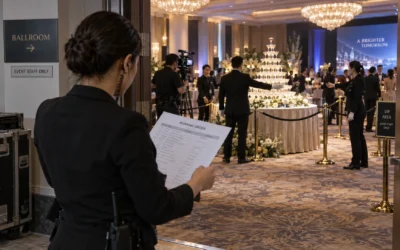
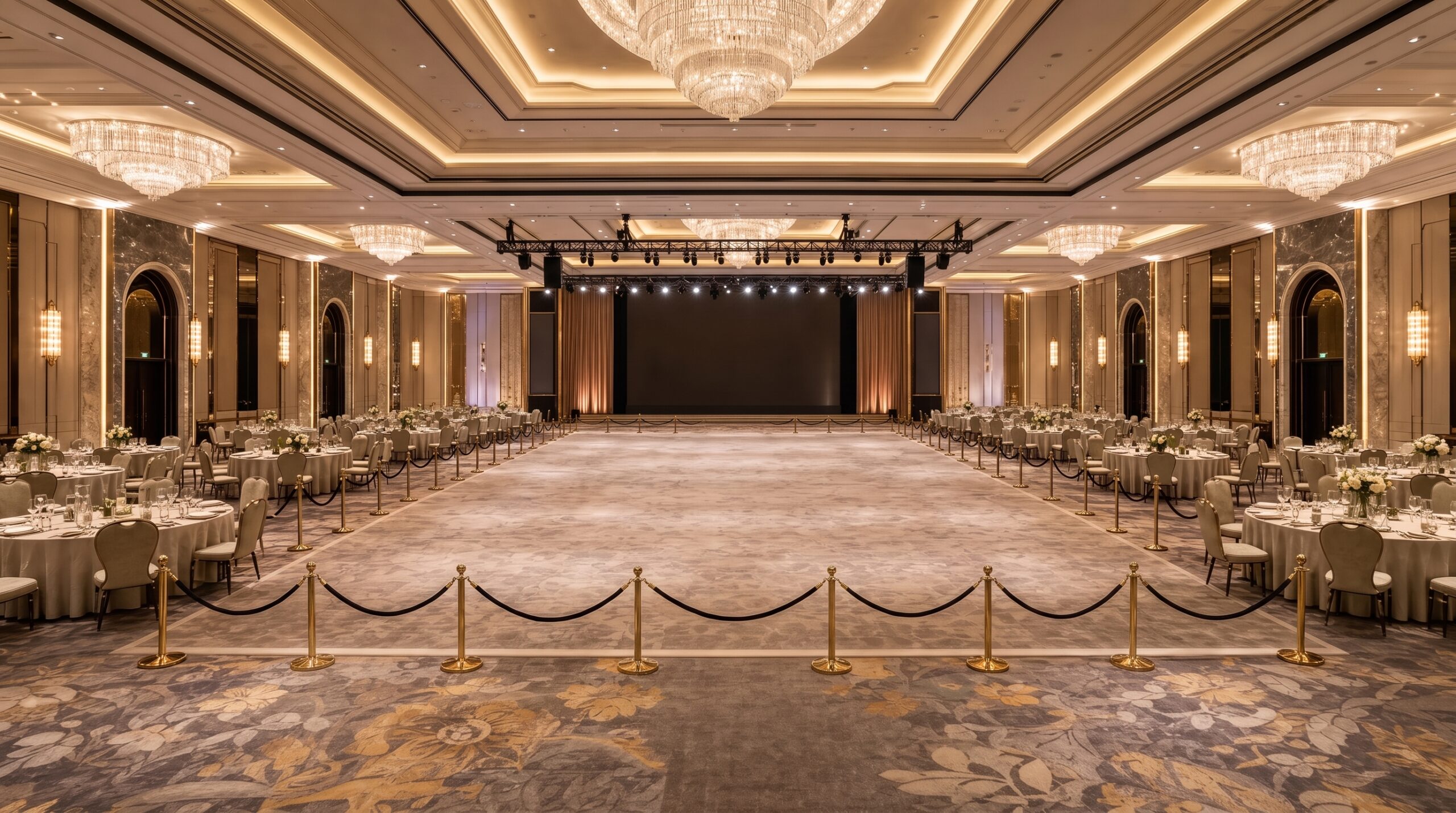
Review ceiling heights, floor loading, fire regulations, access routes, build windows, guest flow, insurance requirements and supplier availability. A world record attempt may need rehearsals, independent witnesses, precise counting methods, photography, video documentation and a controlled reveal. These details should strengthen the concept, not dilute it.
If your team needs a more curated starting point, this guide to world-record concepts for high-end brand experiences shows how record ideas can be assessed through elegance, safety and brand alignment.
At this stage, the best list of world records to break is usually shorter than expected. Three to five serious candidates are enough for a premium presentation if each one has a clear creative rationale, production route and PR angle.
Score each idea before presenting it to stakeholders
A structured scoring system helps decision-makers compare spectacle with feasibility. It also prevents the loudest or strangest idea from dominating the conversation. When you present a list of world records to break to a client, board or sponsor, show why each concept has earned its place.
| Scoring area | Low score | High score |
|---|---|---|
| Brand relevance | The idea could belong to any brand | The idea feels specific to this host or occasion |
| Visual clarity | The achievement needs a long explanation | The image tells the story instantly |
| Guest impact | Guests may not notice the attempt | Guests can gather, anticipate and react together |
| PR strength | The headline feels niche or weak | The record creates a simple, newsworthy hook |
| Execution confidence | Many unknowns remain | The production path is realistic and controlled |
| Premium feel | The concept risks feeling gimmicky | The concept adds luxury, craft and prestige |
A scorecard does not replace creative judgment. It gives the team language for that judgment, which is valuable when senior stakeholders need confidence before approving investment.
Verify current records and official requirements
No shortlist is complete until the current record landscape has been checked. Even the most elegant list of world records to break can fail if the existing benchmark is outdated, misunderstood or impossible to verify within the event timeline.
If the ambition is official recognition, start with the relevant record authority. Guinness World Records explains its application process and provides guidance on evidence, guidelines and review routes. Timelines, categories and documentation requirements can vary, so early verification is essential.
For a more event-focused planning perspective, review how to verify a current world record before planning an attempt. This step helps protect budget, manage expectations and avoid announcing a concept that cannot be validated.
Verification also influences creative direction. Sometimes the official category is slightly different from the original idea, which can make the attempt stronger if the team adapts early.
Turn the record into a campaign, not only a moment
The event itself may last one evening, but a strong record story can create value before, during and after the celebration. When refining a list of world records to break, assess each idea for campaign potential.
A strong concept should support a build-up narrative, a live reveal and a post-event proof package. The build-up can tease ambition and craftsmanship. The live moment gives guests a shared experience. The proof package gives PR teams, sponsors and executives usable assets after the room has emptied.
| Campaign stage | What the audience needs | Useful output |
|---|---|---|
| Before the event | Curiosity and credibility | Teaser visuals, announcement copy, sponsor framing |
| During the event | Suspense and a clear view of the attempt | Photography, live host script, guest viewing plan |
| After the event | Proof, emotion and shareable memory | Edited video, press images, record result, behind-the-scenes content |
For luxury brands, the campaign should never feel desperate for attention. The tone should be confident and precise. The record is the proof of ambition, not a stunt asking to be noticed.
Why champagne pyramids often rise to the top
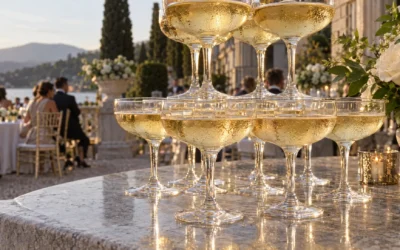
A champagne glass pyramid has qualities that many premium record ideas lack. It is luxurious by nature, visually immediate, ceremonial and linked to celebration. It can work as a dramatic centerpiece for a gala, hotel opening, product launch, corporate anniversary, VIP dinner or private wedding.
For many event teams, a champagne pyramid earns a place on the list of world records to break because it combines spectacle with refinement. Guests understand it instantly. Cameras love it. The build process creates suspense, and the final reveal feels connected to hospitality rather than forced entertainment.
Execution is where the concept becomes truly premium. Glassware, floor conditions, build rhythm, lighting, guest distance, pouring choreography and contingency planning all matter. The visual effect may look effortless, but the experience depends on patience, precision and a professional team.
Luuk Broos Events specializes in spectacular champagne pyramid experiences, from world record attempts to smaller towers tailored to the occasion. The concept is particularly strong for brands and venues that want a centerpiece with international appeal, sponsor value and an unmistakable sense of celebration.
Common mistakes to avoid when building the list
The most common mistake is chasing the biggest number without asking whether the audience will care. A record that sounds impressive in a planning document can still feel flat in a ballroom if the visual story is weak.
Another mistake is treating verification as an administrative task. It is part of the creative process because it determines what can be claimed, filmed and announced. If the proof requirements are unrealistic for the venue or timeline, the idea should be revised before it reaches the client.
A final mistake is building a list of world records to break without involving production, PR and guest experience teams at the same time. These disciplines see different risks. Production sees safety and logistics. PR sees the headline. Guest experience sees the emotional arc. Luxury events need all three perspectives from the beginning.
Frequently asked questions
How many ideas should be on a list of world records to break? For a premium event, start with a longlist of 10 to 20 ideas, then narrow it to three to five serious concepts. The final list should include only ideas with clear brand fit, strong visuals and realistic production conditions.
What makes a world record idea suitable for a luxury brand? It should feel elegant, measurable and visually powerful. The record should support the atmosphere of the event rather than interrupt it with a concept that feels too casual or gimmicky.
When should verification begin? Verification should begin before the concept is sold internally or publicly announced. Current records, category rules, evidence requirements and review timelines can change the scope of the attempt.
Can a smaller record attempt still create strong brand impact? Yes. A smaller record or record-inspired concept can be more effective than a massive attempt if it is beautifully staged, easy to understand and closely connected to the brand story.
Bring a record idea into the room
A world record concept should make guests feel they are witnessing something rare, not simply attending another polished event. That takes a strong idea, a clear strategic filter and a specialist team that understands precision under live event conditions.
If a champagne pyramid could become the signature moment of your launch, gala, hospitality event or celebration, explore how Luuk Broos Events can help shape the concept, scale and execution around your goals.