

Evaluating on ground activation ideas for a luxury venue requires more than choosing the most impressive visual. A concept must suit the property, reward the guest’s attention and give the production team a credible route from installation to removal. It also needs to justify its investment through the right kind of brand impact, not simply a busy room or a high view count.
For luxury event managers, the strongest approach is to separate three decisions: whether an activation is appropriate, whether it is deliverable and whether it is worth funding. This framework helps you make those decisions before a compelling presentation becomes an expensive commitment.
Start with the outcome, not the mood board
An on-ground activation is a physical brand experience delivered where people gather. In a luxury setting, that could mean a private tasting, a live craftsmanship demonstration or a champagne pyramid reveal. The format matters less than the response it is designed to create.
Write a one-sentence brief before reviewing concepts: “For this audience, we want this experience to produce this outcome.” A hotel opening might prioritize qualified site visits from event buyers. A hospitality program might focus on relationship-building with existing clients. A gala could need one recognizable image that gives sponsors a credible presence.
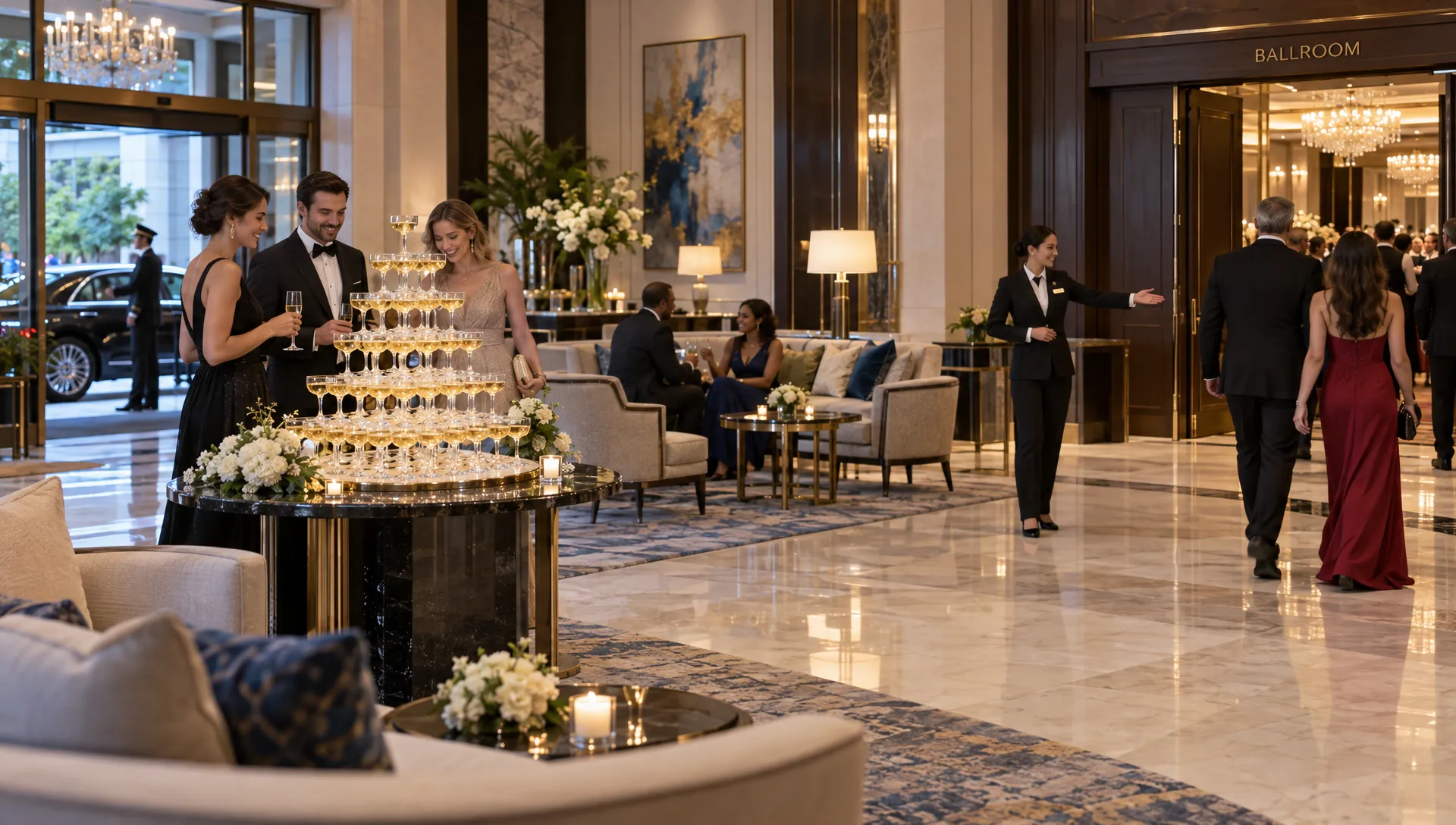
Then define the guest profile, attendance pattern and role of the venue. A palace hotel’s public lobby has different constraints from an exclusive-use ballroom, even when the guest count is identical.
If you are still building a shortlist, explore creative activation concepts for high-impact luxury events, then bring each option back to the same brief. Attractive concepts should compete against a shared objective, not against personal taste.
Screen on ground activation ideas against the venue’s limits
Venue compatibility is a pass-or-fail decision before it becomes a creative discussion. An activation that compromises access, damages finishes or disrupts hotel operations should not advance because it photographs well.
Ask the venue to review the actual installation footprint, including barriers, equipment, staff positions and guest viewing space. A centerpiece’s dimensions alone do not describe the space it occupies during a live event.
Four checks deserve early attention:
- Physical suitability: Confirm floor loading where relevant, surface protection, ceiling restrictions, power requirements and delivery access with the appropriate venue or technical specialists.
- Guest access: Preserve accessible routes, emergency exits and circulation between entrances, seating, restrooms and service points.
- Operational compatibility: Establish installation hours, noise limits, storage arrangements and any overlap with other guests or events.
- Permissions: Identify required venue approvals, insurance documentation and any applicable alcohol, food-service, filming or public-space permissions.
For applicable US venues, the 2010 ADA Standards for Accessible Design provide accessibility requirements. Your venue team should confirm how these apply to the proposed layout; requirements elsewhere depend on local rules.
Record unresolved issues in an approval log with an owner and deadline. “The venue should be fine with it” is not approval, particularly when glass, liquids, suspended equipment or valuable architectural finishes are involved.
Use a weighted scorecard after the initial approval gate
Once the basic constraints are understood, compare on ground activation ideas using a shared scorecard. This keeps an enthusiastic stakeholder from giving visual impact more weight than the agreed business objective.
The following is a suggested planning model, not an industry benchmark. Adjust the weights before suppliers submit proposals so the criteria do not change to favor a preferred concept.
| Criterion | Suggested weight | Evidence to request |
|---|---|---|
| Brand and audience relevance | 25% | Clear connection to the brief and guest profile |
| Venue and guest experience | 20% | Scaled layout and guest journey |
| Delivery confidence | 20% | Build plan, responsibilities and contingency approach |
| Visual and editorial value | 15% | Camera viewpoints and a credible story angle |
| Commercial value | 10% | Relevant outcomes and measurement method |
| Total cost clarity | 10% | Itemized scope, assumptions and exclusions |
Score each criterion from one to five, multiply by its weighting and document the reason. A concept scoring five for visual value should have stronger support than “looks impressive,” such as a recognizable composition and a planned capture position.
Keep evidence confidence separate from the score. A polished rendering may suggest excellent venue fit, but that rating remains provisional until the venue reviews the layout.
A high total must never override a failed safety or permission requirement. The scorecard compares viable options; it does not make an unsuitable concept acceptable.
Compare the guest behavior each concept creates
The most useful comparison between on ground activation ideas is often behavioral. Does the experience invite guests to gather at one moment, move through gradually or commit to an individual appointment?
Those patterns determine staffing, circulation and whether the activation supports or competes with the rest of the event.
| Concept | Potential role | Question that determines suitability |
|---|---|---|
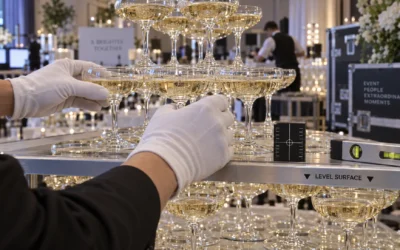
| Champagne pyramid reveal | Shared celebration and recognizable event imagery | Can guests view the moment without crowding service routes? |
| Live artisan demonstration | Communicating craftsmanship through conversation | Can the audience see the work and speak with the host comfortably? |
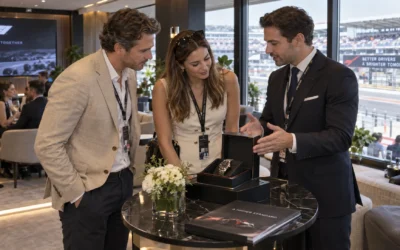
| Private tasting | Guided product discovery and hosted hospitality | Can service, dietary needs and guest throughput be managed? |
| Editorial portrait experience | Creating personal, shareable guest content | Can waiting, image permissions and delivery remain discreet? |
| Immersive installation | Expressing a brand story through the surroundings | Does the experience remain comfortable, accessible and connected to the brand? |
Consider arrival patterns as well as total attendance. A steady flow of guests can suit a hosted discovery experience. A concentrated arrival before dinner may make the same format feel congested.
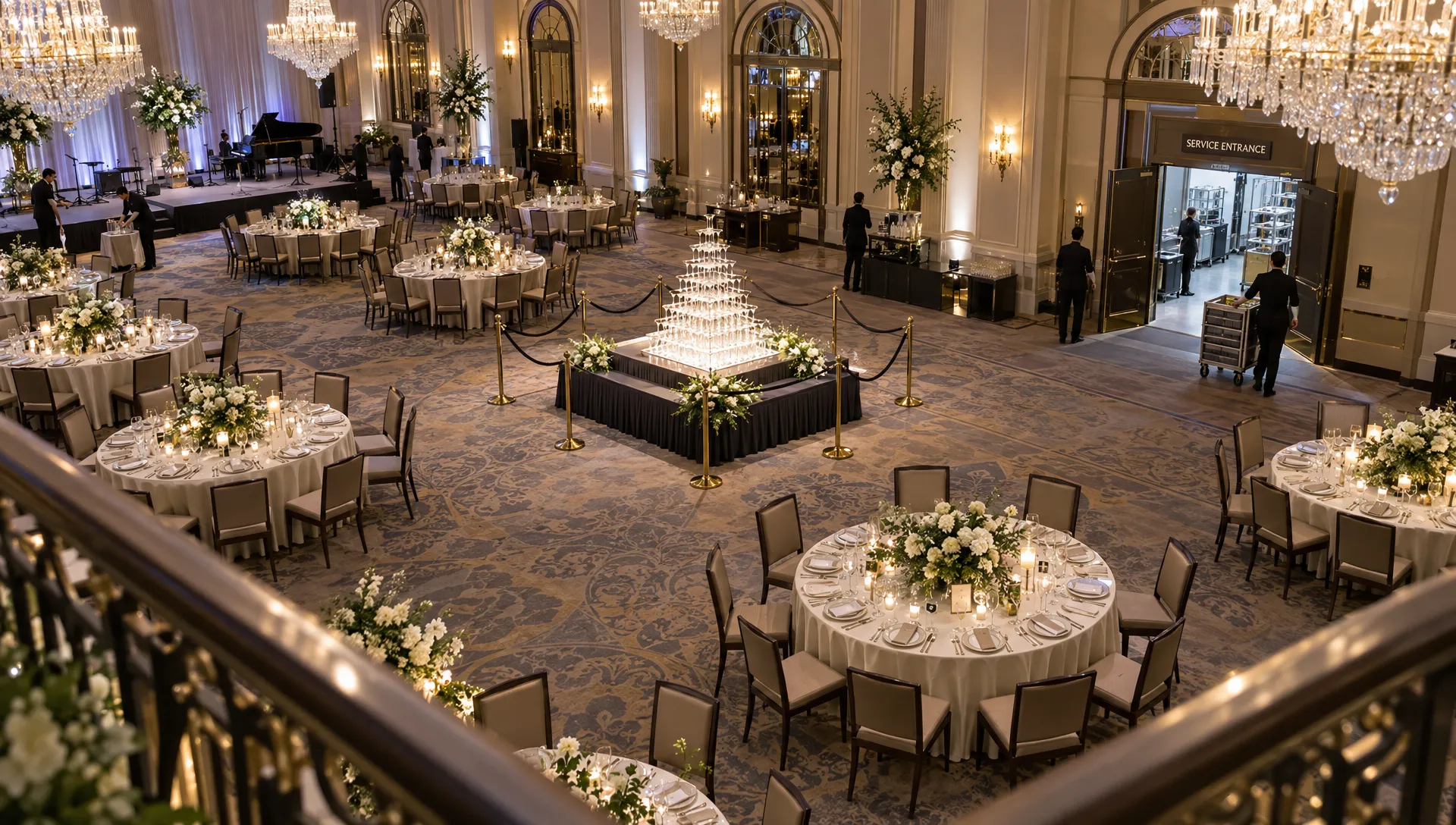
For a hotel opening, a champagne centerpiece should complement the property’s architecture rather than obscure it. These champagne tower considerations for hotel openings and galas offer useful context once the format has passed the initial evaluation.
Also provide a comfortable way to observe without participating. Premium hospitality should not require every guest to drink alcohol, appear on camera or complete a digital interaction.
Compare the full delivery cost, not just the centerpiece
When assessing on ground activation ideas, compare like-for-like scopes rather than headline fees. One supplier may quote a complete installation while another excludes transport, technical support or removal.
Ask for a cost breakdown that distinguishes the creative element from the work required to operate it. Relevant categories can include fabrication or hire, specialist labor, freight, venue charges, lighting, security, content production, consumables, insurance and reinstatement. Not every category applies to every concept, but exclusions should be explicit.
Labor timing deserves particular scrutiny. Restricted loading access, overnight installation or a short removal window can change the delivery cost without changing anything guests see.
Team capacity matters too. A small client team may be better served by a tightly scoped activation with clear specialist ownership than by a less expensive concept requiring extensive coordination across separate suppliers. Establish who handles venue liaison, technical integration, approvals and the show cue before comparing prices.
Request a base scope and clearly priced options. This makes it easier to protect the core guest experience while adjusting scale, decorative treatments or content production.
Set contingency according to identified risks and unresolved assumptions, rather than treating one percentage as universally sufficient. A proposal with transparent limitations can be a better buying decision than a lower quote that leaves critical responsibilities unassigned.
Test the installation, peak moment and removal
The strongest on ground activation ideas work beyond the reveal itself. Review the full operating cycle: delivery, installation, inspection, guest arrival, participation, the main moment and removal.
Walk through the schedule with the venue and relevant suppliers. If dinner service moves by 20 minutes, who can authorize a delayed reveal? If the principal guest arrives early, can the activation remain secure and presentable? If access to a loading area changes, what is the alternative?
For a glass-based centerpiece, ask how the team will control the working area, protect surrounding surfaces and manage nearby guest movement. Confirm procedures for spills or breakage, as well as who has authority to pause activity. Where technical assessment is required, involve an appropriately qualified professional rather than relying on a creative presentation.
The staffing plan should distinguish specialist construction from hosting, service, photography and crowd management. One experienced builder cannot simultaneously manage every surrounding task.
Use a tabletop rehearsal when a full physical rehearsal is impractical. Step through the run of show with named decision-makers and test the most consequential disruptions. For weather-exposed spaces, agree clear conditions for relocation, postponement or cancellation before guests arrive.
A credible contingency preserves safety and a coherent guest experience. It may involve a smaller presentation or a revised reveal, rather than an attempt to deliver the original plan under unsuitable conditions.
Ask suppliers for evidence that matches your event
Supplier selection should test whether on ground activation ideas can be delivered in your circumstances, not merely whether the supplier has produced something impressive elsewhere.
Request examples with comparable constraints: a similar venue category, installation window, guest profile or technical challenge. A large outdoor installation does not automatically demonstrate suitability for a delicate heritage interior.
Useful evidence includes completed-event images, client references where available, a project-specific method statement, relevant insurance details and an explanation of the proposed team’s responsibilities. Ask which elements are confirmed and which depend on a site visit or third-party approval.
For any record-based concept, distinguish between a record-inspired spectacle and a formal world-record attempt. If official recognition is part of the brief, clarify the relevant record body, rules, evidence requirements and verification process. Publicity materials should accurately describe the event’s status.
Pay attention to the questions the supplier asks you. A specialist should want to understand the objective, access conditions, viewing distances, timing and venue restrictions before recommending scale.
Luuk Broos Events specializes in world-record champagne pyramids and smaller custom towers, with a professional builder team and marketing advice. Those capabilities are relevant when a shared visual centerpiece suits the brief. The same due diligence still applies: agree the proposed scale, responsibilities and venue requirements for the specific event.
Measure attention without interrupting hospitality
A measurement plan makes on ground activation ideas easier to defend internally, but it must reflect the event’s purpose. Maximum participation is not always the right target for a private luxury gathering.
Separate delivery measures from audience responses and commercial outcomes. Delivery measures establish whether the experience ran as agreed. Audience responses show whether guests noticed and engaged. Commercial outcomes connect the event to relationships or business activity.
For a hotel opening, relevant indicators might include qualified planner conversations, agreed property visits and subsequent event inquiries. For sponsor hospitality, they might include hosted meetings with priority accounts and permission-based follow-up. For a press-focused reveal, assess relevant coverage, brand visibility within images and whether the intended message appeared accurately.
Define each measure before the event, with a data owner and collection method. A “qualified conversation,” for example, needs agreed criteria rather than a host’s impression that the evening went well.
Avoid treating every photograph or social impression as equivalent value. A widely shared image with no identifiable brand connection may contribute less than a smaller amount of relevant coverage.
Build capture into production: approved camera positions, a clear shot list, appropriate image permissions and agreed asset delivery. Keep guest data collection proportionate and compliant with applicable privacy rules. An intrusive registration step can undermine an otherwise polished experience.
Make a documented go, revise or reject decision
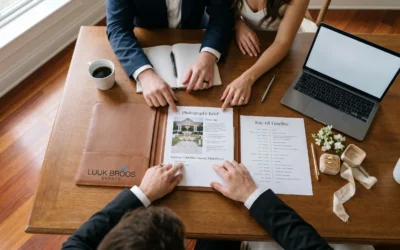
Bring the evaluation of on ground activation ideas back to a short decision document. It should explain the objective, why the chosen format fits, what it costs and which approvals remain outstanding.
A go decision means the concept meets the brief, has a credible delivery plan and can proceed within agreed conditions. A revise decision identifies specific changes, such as reducing scale, moving the installation or simplifying guest participation. A reject decision is appropriate when the concept conflicts with the venue, audience or available resources.
Name the person responsible for final approval and set a design-freeze date. Changes after that point should trigger a review of cost, timing and risk rather than being treated as harmless creative refinements.
Keep the rejected alternatives and reasons on record. This helps stakeholders understand that the selected activation is not simply the most dramatic option. It is the strongest fit for this event.
Frequently asked questions
What makes an activation feel luxurious rather than gimmicky? Relevance, restraint and quality of execution. The experience should belong to the brand and venue, respect the guest’s time and remain convincing at close range, not just in photographs.
How early should we evaluate activation concepts? Compare on ground activation ideas before layouts, production budgets and supplier scopes are locked. The necessary lead time depends on scale, access, fabrication, permissions and specialist availability, so ask suppliers to identify their critical deadlines early.
Can a smaller activation have more impact than a large installation? Yes, when it better supports the objective. A carefully hosted experience for priority clients may create more useful conversations than a large spectacle. A shared reveal can be more appropriate when the brief calls for a collective celebration or distinctive event image.
Does a world-record concept guarantee media coverage? No. Coverage depends on newsworthiness, timing, media relevance and outreach. A record concept can provide a clear story, but publicity should be planned and never promised as a guaranteed result.
Explore a champagne centerpiece for your venue
If your evaluation points toward a champagne pyramid, discuss the brief with Luuk Broos Events. Share the venue, audience, intended outcome, event date and known access restrictions so the conversation can begin with practical requirements as well as creative ambition.
The right scale is the one that creates a memorable shared moment while respecting the room, the guests and the delivery conditions.