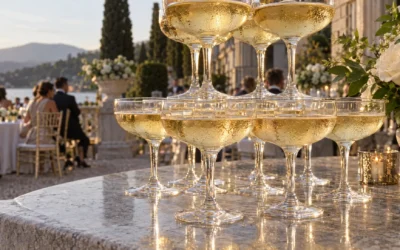


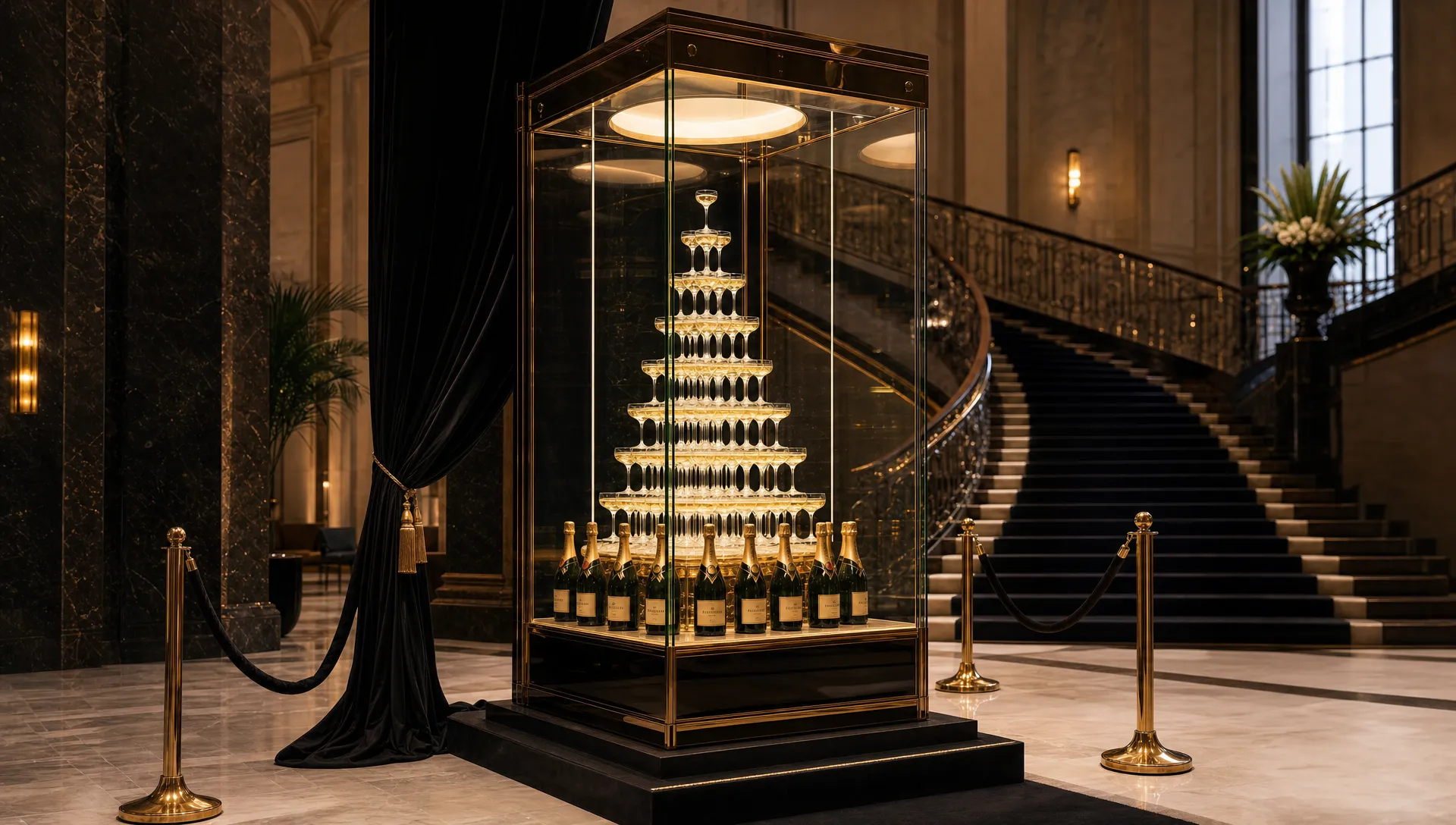
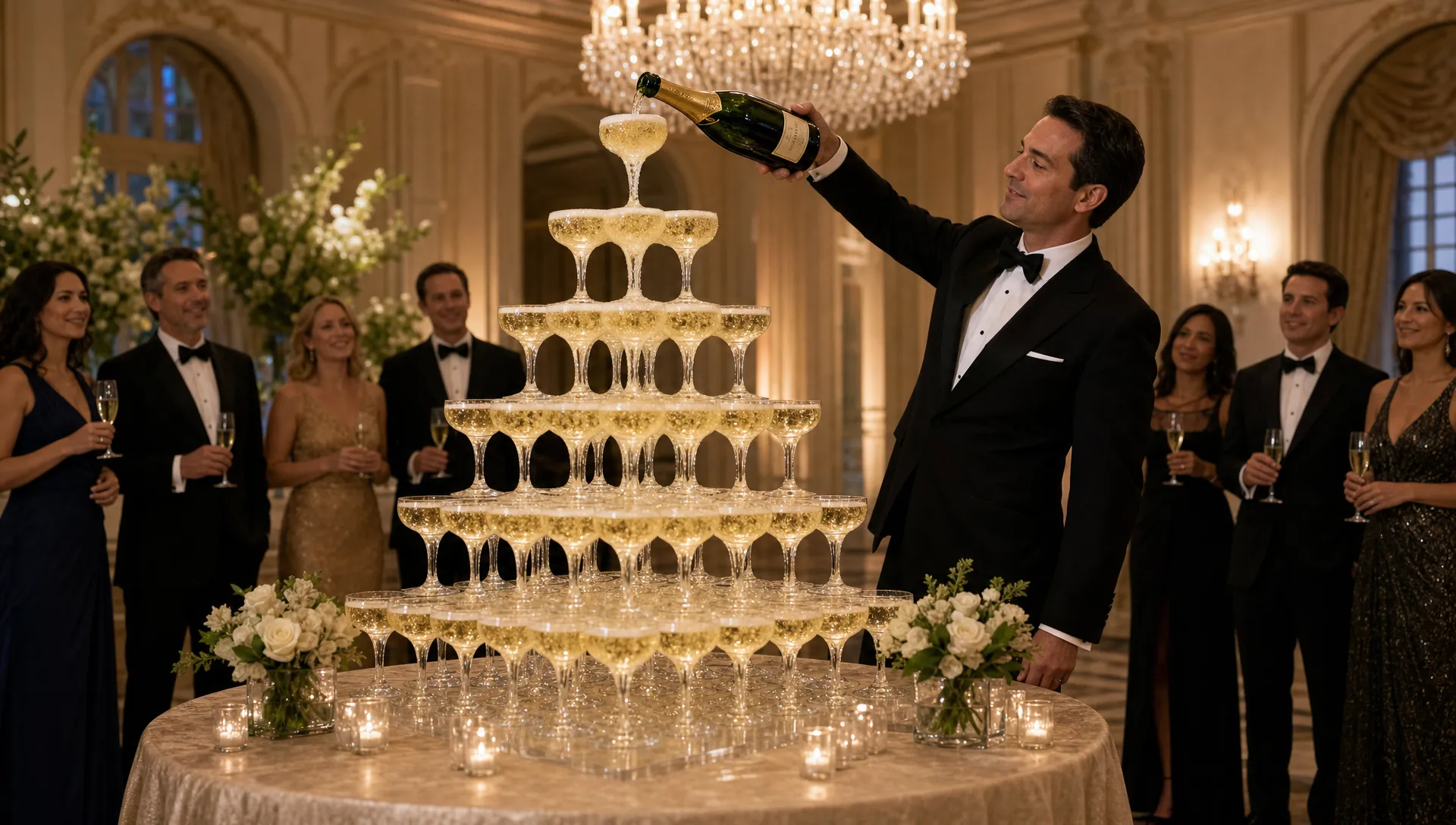
A champagne pyramid has a rare ability to change the emotional temperature of a room. It gathers attention, slows people down and creates a ceremonial moment that feels both elegant and spectacular. For luxury event agencies, brand teams and wedding planners, that is exactly the kind of detail that turns a well-produced event into a remembered event.
But the strongest results rarely come from simply placing a tower in the room and hoping guests notice it. A high-impact champagne pyramid needs a clear purpose, the right scale, a venue that can support it, precise timing, experienced hands and a plan for how the moment will live beyond the evening itself.
When planned properly, it becomes more than a centerpiece. It becomes a visual signature, a VIP ritual, a media asset and a talking point that reinforces the prestige of the event.
Start with the purpose of the moment
The most successful champagne pyramid planning begins before anyone discusses the number of glasses. The first decision is strategic: what should the pyramid achieve?
For a luxury wedding, the purpose may be intimacy and romance, with the couple sharing a first pour while guests gather around. For a hotel opening, it may be grandeur, symbolism and a strong photo moment for press and partners. For a brand activation, it may need to communicate exclusivity, ambition and visual identity within seconds.
This purpose influences every other decision, including placement, scale, lighting, guest access, timing and the choice between a refined tower or an ambitious world-record-style concept. A champagne pyramid works best when it is designed around one clear event objective rather than treated as decorative entertainment.
Common objectives include creating a grand reveal, giving VIP guests a ceremonial role, producing high-value social content, adding sponsor visibility, marking a milestone or positioning the host as bold and memorable. The clearer the objective, the easier it becomes to make confident production decisions.
If you are still deciding whether this type of feature suits your event, it is worth exploring why a champagne pyramid works so well as an event centerpiece before moving into detailed planning.
Match the scale to the room, not just the ambition
A luxury event does not always require the largest possible structure. It requires the right structure for the venue, audience and story. Scale should feel impressive without overwhelming the room or creating logistical friction.
A champagne pyramid that is too small can disappear in a large ballroom, particularly if the ceiling is high or the audience is spread across several zones. A tower that is too large for a tighter space can interrupt guest flow, create safety concerns or feel forced. The ideal scale sits at the intersection of visual drama, proportion and operational control.
| Event type | Planning priority | Champagne pyramid impact direction |
|---|---|---|
| Luxury wedding | Emotional ceremony and guest intimacy | Elegant, photogenic and closely connected to the couple |
| Hotel or venue opening | Prestige, press visibility and architectural fit | Grand, polished and aligned with the venue identity |
| Corporate gala | Stakeholder impact and brand credibility | Refined, structured and suitable for executive participation |
| Product or brand launch | Shareable content and brand storytelling | Highly visual, branded and timed around a reveal moment |
| Major international event | Publicity, spectacle and operational excellence | Large-scale, iconic and supported by expert technical planning |
The planning question should not be, “How high can we go?” It should be, “What scale will create the strongest impression from the most important viewpoints?” In a luxury context, restraint can be as powerful as size when the proportions are right.
Select the location before the event design is locked
A champagne pyramid needs to be considered early in the floor plan. Waiting until the final stages of production can limit the options and force compromises that reduce impact.
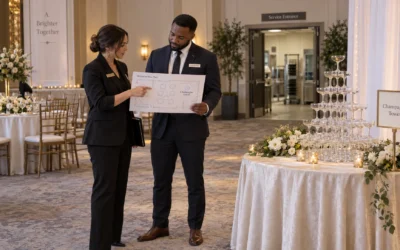
The best location usually has a combination of visibility, stability and control. It should be easy for guests to see, simple for photographers to capture and practical for the build team to access. It also needs sufficient distance from heavy foot traffic, doors, moving equipment, dance floors and service routes.
Venue considerations include floor levelness, surface strength, ceiling height, access routes, temperature changes, wind exposure for outdoor events, vibrations from sound systems and proximity to catering operations. These details may seem technical, but they directly affect whether the final moment feels effortless.
For large-scale builds, safety planning deserves particular attention. Guest movement, crowd density, barriers, pour choreography and emergency access should all be considered before the event day. If your project involves a large installation, the guidance in planning a large champagne tower without compromising safety offers a useful deeper perspective.
Design the guest journey around the reveal
A champagne pyramid has greatest impact when guests experience it as a moment, not just an object. This means planning how attention will be directed toward the tower and how the energy in the room will build.
The reveal can happen in different ways. Guests might discover the pyramid as they enter the main room. The tower might remain softly lit until a speech concludes, then become the focus of a ceremonial pour. In a brand setting, it might be linked to a product reveal, anniversary toast or sponsor announcement.
Timing is everything. If the pour happens while guests are still arriving, the audience may be scattered. If it happens too late, energy may have moved elsewhere. The ideal moment often sits after guests have settled, before the event loses its formal rhythm and while photographers, videographers and key stakeholders are ready.
The choreography should answer several questions. Who performs the first pour? Where do VIPs stand? How close can guests come? What music or lighting cue supports the moment? How will champagne be served afterward? What should photographers capture first?
These decisions shape the emotional quality of the experience. In luxury events, guests notice when the details feel intentional.
Plan for photography, video and social visibility
For many high-profile events, the champagne pyramid must perform in two rooms at once: the physical room and the digital one. A moment that looks beautiful to guests should also translate into press images, reels, sponsor recaps and social posts.
This requires planning the visual composition before the event begins. The best camera angles should be identified in advance. Backgrounds should feel clean and premium. Lighting should enhance the glass, liquid and reflections without creating harsh glare. If brand elements are included, they should appear naturally rather than dominate the scene.
A common mistake is placing a champagne pyramid where it looks impressive in person but photographs poorly. For example, a busy service area behind the tower, an exit sign directly above it or harsh backlighting can weaken the final content. A small adjustment in position can make the difference between a forgettable snapshot and a campaign-worthy image.
The same principle applies to video. The first pour should be paced so it can be captured clearly. Guests should not block the key angle. If a VIP, founder, couple or celebrity is involved, their movement should feel natural but rehearsed enough to avoid uncertainty.
In premium event production, visual assets are part of the return on investment. The pyramid is not only there to impress the people in the room. It can extend the event’s value through content long after the final toast.
Integrate branding without reducing elegance
A champagne pyramid can support brand storytelling beautifully, but luxury audiences are sensitive to over-branding. The goal is not to turn the installation into an advertisement. The goal is to make the brand feel associated with celebration, precision and prestige.
Brand integration can be subtle and effective through glassware presentation, lighting color, floral design, plinth styling, backdrop composition, menu pairing, guest invitations or the ceremonial role of brand representatives. For hospitality events, the tower can echo architectural details of the venue. For fashion and automotive brands, it can mirror the visual language of the launch environment.
Sponsor value can also be built into the moment. A champagne partner, hotel, destination, watch brand or luxury lifestyle sponsor may benefit from a prominent but tasteful association with the toast. The key is to make the brand feel like part of the experience, not an interruption.
This is where a specialist partner can add strategic value. The technical build matters, but so does understanding how a champagne pyramid fits into the wider event narrative, the guest hierarchy and the desired media outcome.
Decide whether the event calls for a record attempt
Some occasions deserve more than a beautiful tower. They call for an extraordinary statement. A world-record-style champagne pyramid can transform an event into a global talking point, especially when aligned with a major destination, brand anniversary, luxury opening or international celebration.
A record attempt, however, is not simply a larger version of a normal event feature. It involves more planning, more coordination and a stronger publicity strategy. The event team must consider official requirements, documentation, timing, venue capacity, supplier coordination and how the attempt supports the brand story.
Guinness World Records provides an application process for those seeking official recognition, including guidelines and evidence requirements for record attempts. For event organizers, that means the record ambition should be discussed early enough to allow proper planning.
Luuk Broos Events has direct experience in this field, including the internationally recognized champagne pyramid built at Atlantis The Palm in Dubai. You can see how a record-breaking project comes together in this feature on the world’s largest champagne pyramid ever built.
For the right event, a record attempt can create exceptional PR value. For the wrong event, it can add complexity without enough strategic benefit. The decision should always be guided by the event’s audience, message, timeline and appetite for spectacle.
Build a realistic production timeline
A flawless champagne pyramid looks calm from the guest side because the planning behind it is disciplined. The timeline should allow enough space for creative development, technical assessment, logistics, staffing, rehearsal and contingency planning.
For high-impact events, the planning process usually includes these core stages:
- Defining the event objective, audience profile and desired level of spectacle
- Reviewing the venue conditions, access routes, floor plan and guest flow
- Choosing the pyramid scale, position, styling and ceremonial concept
- Coordinating suppliers, including catering, lighting, staging, security and photography
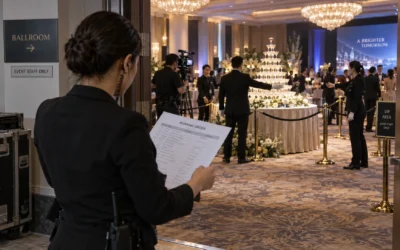
- Preparing the run of show, pour choreography, content angles and contingency measures
Each stage affects the others. If the lighting design changes, the visual impact may change. If guest flow changes, the safety plan may need adjustment. If the VIP schedule shifts, the ceremonial timing may need to be rebuilt.
This is why personal contact and close collaboration are essential. A champagne pyramid is a live event element, not a static rental item. It needs to be integrated into the production with the same care as a keynote entrance, runway reveal or fireworks cue.
Consider ROI beyond the event night
For luxury events, ROI is rarely measured by one metric. It can include press exposure, sponsor value, guest satisfaction, social reach, VIP impressions, brand positioning and the quality of post-event content.
A champagne pyramid can contribute to each of these areas when planned deliberately. It creates a strong visual anchor for media. It gives guests a reason to film and share. It offers sponsors an elegant association with the celebration. It provides event teams with a memorable image for recaps, proposals and future campaigns.
The most valuable question is not simply, “What does it cost?” A more strategic question is, “What value can this moment create if it is designed, captured and amplified properly?”
This does not mean every event needs the largest possible concept. Sometimes the highest ROI comes from a smaller, perfectly placed champagne pyramid that becomes the most photographed moment of the evening. Impact comes from relevance, execution and visibility.
Choose a specialist, not a general supplier
The perceived simplicity of a champagne pyramid can be misleading. Guests see beauty and celebration. Behind the scenes, the build requires patience, precision, experience and calm decision-making.
A specialist understands the relationship between glass stability, venue conditions, guest behavior, timing and aesthetics. They know how to protect the guest experience while delivering the visual drama expected at a premium event. They can also advise on what is realistic, what is worth investing in and what could compromise the final result.
For luxury event managers, this reduces risk. Instead of adding another complicated supplier to manage, you gain a partner who understands the pressure of high-profile events and can help the concept feel controlled from planning to final pour.
Luuk Broos Events focuses specifically on spectacular champagne pyramid experiences, from refined towers to world-record-level projects. That specialization matters when the audience includes VIP guests, premium brands, press, hotel executives, sponsors or international stakeholders.
Frequently asked questions
How early should we start planning a champagne pyramid for a luxury event? For a smaller luxury tower, planning should begin as soon as the floor plan and event schedule are being developed. For a large-scale build or record attempt, start much earlier so the venue, logistics, safety planning, publicity and supplier coordination can be handled properly.
Can a champagne pyramid work in a smaller venue? Yes, if the scale is chosen carefully. A smaller venue can create an intimate and highly photogenic moment, provided there is enough stable space, controlled guest flow and the right sightlines.
Is a champagne pyramid suitable for corporate events? Yes. It can work especially well for galas, anniversaries, product launches, hospitality events, awards evenings and brand activations where the goal is to create a premium focal point and a memorable shared toast.
What makes a champagne pyramid feel luxury rather than theatrical only? Luxury comes from proportion, restraint, craftsmanship, timing and integration with the event environment. The moment should feel intentional and beautifully executed, not simply large or loud.
Can the champagne pyramid be connected to PR or sponsor value? Yes. With the right planning, the pyramid can become a media moment, a sponsor asset and a strong piece of social content. This works best when the visual design, timing and photography plan are considered from the start.
Create a champagne pyramid moment guests will remember
A high-impact champagne pyramid is not just built. It is planned, positioned, choreographed and delivered with precision. When every detail works together, the result is a moment that feels effortless to guests and powerful for the brand, venue or celebration behind it.
If you are planning a luxury event, launch, gala, wedding or world-record ambition, Luuk Broos Events can help shape the concept into a spectacular and professionally managed experience. From tailored pyramid sizes to record-breaking projects, the team brings the focus, craftsmanship and international experience needed to create a toast that becomes the story of the night.